At Stable Self, trauma therapy is approached with care, pacing, and deep respect for your nervous system. My Therapeutic style is collaborative, grounded, and focused on creating a sense of safety and support — a place where you don’t have to rush, perform, or push yourself beyond what feels manageable.
Starting trauma therapy can feel daunting. Many people arrive feeling unsure, overwhelmed, or wary of opening things up again — especially if they’ve spent a long time holding it together, minimising their experiences, or managing on their own. It’s common to have mixed feelings about beginning, and those hesitations are welcome here too.
Trauma isn’t only about what happened — it’s also about what your body and mind learned to do in order to survive. This might show up as hypervigilance, emotional numbing, anxiety, dissociation, shame, people-pleasing, or feeling stuck in patterns that no longer serve you. Trauma therapy offers a space to understand these responses without judgement and to gently work toward greater safety, choice, and integration.
I provide trauma-informed therapy in Brunswick East, Melbourne, supporting people who are navigating the impacts of past experiences while living full, complex lives in the present. We begin by creating a sense of safety and trust, moving toward deeper processing only when it feels supportive and appropriate.
A gentle, paced approach
Trauma work does not involve reliving events or pushing through distress. Instead, we work at a pace that feels manageable for you, paying close attention to consent, regulation, and stability. For some people, this means beginning with grounding, emotional regulation or understanding patterns before any direct trauma processing occurs.
Our work may draw on approaches such as:
-
Eye Movement Desensitisation and Reprocessing (EMDR)
-
Schema Therapy and image rescripting
-
Somatic and body-based strategies
-
Attachment-informed therapy
-
Emotion-focused and compassion-based approaches
-
Narrative and meaning-making work
-
Internal Family Systems–informed concepts
The methods used are always guided by your needs, readiness, and goals — not a one-size-fits-all model.
Types of trauma supported
Trauma can take many forms. I work with people impacted by:
-
Childhood or developmental trauma
-
Sexual trauma and assault
-
Emotional, physical, or psychological abuse
-
Relationship and attachment trauma
-
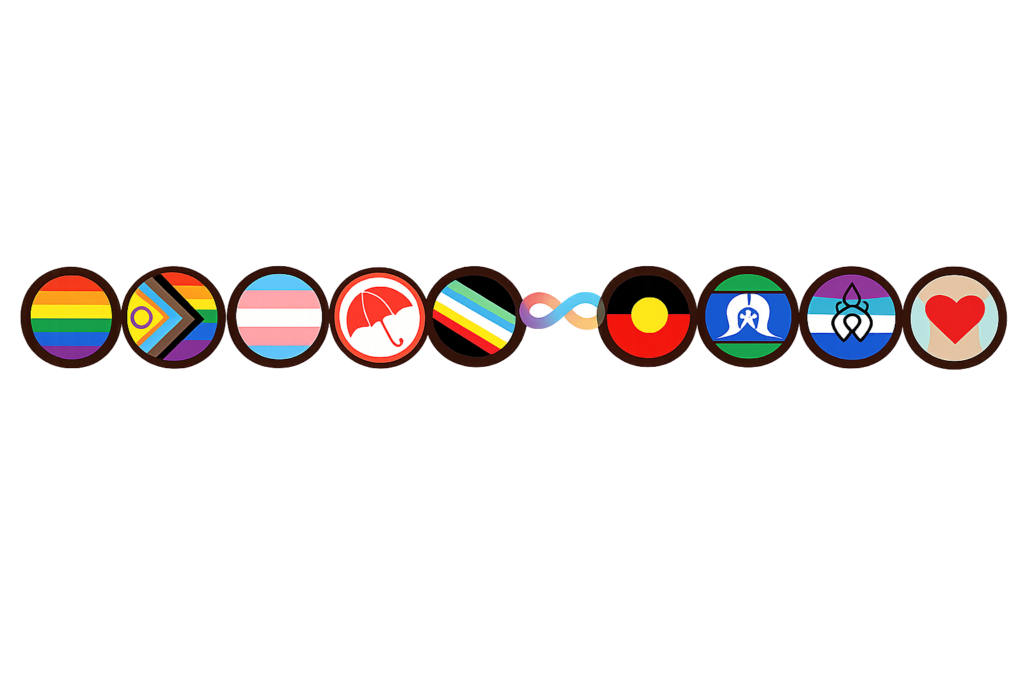
Identity-based trauma (including experiences related to gender, sexuality, neurodivergence, or cultural marginalisation)
-
Medical or reproductive trauma
-
Grief and loss connected to traumatic events
You don’t need to label your experience as “trauma” to begin therapy. If something continues to affect your sense of safety, self-worth, or capacity to live fully, it’s valid to bring it into the room.
What trauma therapy can support
Trauma therapy may help you to:
-
Feel safer in your body and emotional experience
-
Reduce reactivity, overwhelm, or shutdown
-
Make sense of patterns shaped by past experiences
-
Rebuild trust in yourself and your boundaries
-
Develop a more compassionate relationship with your nervous system
-
Integrate past experiences so they no longer dominate the present
If you’re seeking trauma therapy in Brunswick or Melbourne and wondering whether it’s the right time, you’re welcome to reach out. Therapy can begin wherever you are — with care, steadiness, and no pressure to go faster than your system allows.