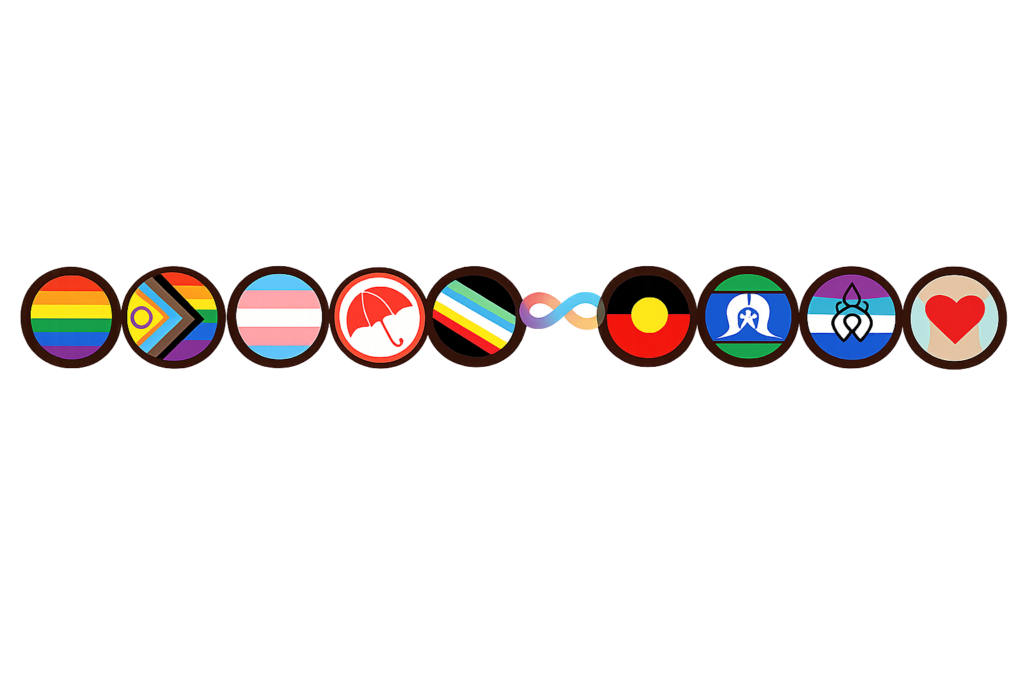
At Stable Self, I approach mental health therapy with a progressive, strengths-based framework and believe therapy should be thoughtful, respectful and grounded in an understanding of the whole person. Therapy is not about labelling or ‘fixing’ you — it’s about making sense of what you’re carrying, how you’ve adapted and what might help you feel steadier and more supported in your life.
People seek therapy for many reasons. Some arrive feeling anxious, burnt out, low or disconnected; others come after long periods of coping, minimising their needs or holding things together for others. Therapy offers a space to slow down, reflect, and be met with care — without judgement, pressure or the need to perform.
In my Brunswick East practice, I work with people across diverse identities, bodies, relationships, cultures and ways of living. My approach is trauma-informed, affirming and (importantly) non-pathologising, with a focus on understanding context, nervous system responses and the meaning behind symptoms rather than reducing experiences to diagnoses alone.
Areas of support
I support people experiencing a wide range of mental health concerns, including:
-
Generalised anxiety, social anxiety, panic attacks and panic disorder
-
Obsessive Compulsive Disorder (OCD), including trauma-related and moral or values-based OCD
-
Low mood and depression
-
Chronic stress and burnout
-
Perfectionism, self-criticism and internal pressure
-
Emotional regulation difficulties
-
Dissociation and feelings of disconnection
-
Complex post-traumatic stress (C-PTSD)
-
Relationship distress and attachment difficulties
-
Identity exploration and identity-related distress
-
Neurodivergence-related mental health challenges (like masking), including ADHD and autism
-
Body image distress
-
Disordered eating and concerns around food, control or body relationship
-
Alcohol or substance use concerns
-
Life transitions and adjustment, including separation, illness, career change, menopause or parenthood
You don’t need a diagnosis to begin therapy. Many people come simply because something feels difficult, overwhelming or no longer sustainable.
A supportive, collaborative approach
Therapy is collaborative and paced, with attention to safety, nervous system regulation and what feels manageable for you. Sessions may involve developing insight, building emotional capacity, strengthening self-compassion, or gently working with patterns shaped by past experiences.
I draw from approaches including trauma-informed therapy, Schema Therapy, EMDR, Acceptance and Commitment Therapy and somatic strategies, adapting the work to your needs rather than following a one-size-fits-all model.
If you’re seeking mental health support in Brunswick East or Melbourne and wondering whether therapy could help, you’re welcome to reach out. Therapy can begin wherever you are — with care, steadiness and respect for your pace.